Understanding Paint Protection Film Near Me
What is Paint Protection Film?
Paint Protection Film (PPF) is a transparent, durable urethane material that is applied to a vehicle's exterior surfaces, primarily to protect the paint from scratches, chips, and environmental contaminants. This film acts as a sacrificial barrier, absorbing the impact of minor abrasions, while retaining the vehicle's aesthetic appeal. As consumers seek ways to maintain their vehicle’s value and appearance, paint protection film near me has become a popular choice among car enthusiasts and everyday drivers alike, offering a sleek finish without altering the original paint color or gloss.
Benefits of Using Paint Protection Film Near Me
The advantages of paint protection film extend beyond mere aesthetics. Here are some key benefits:
- Scratch and Chip Resistance: The film is designed to withstand minor abrasions, stone chips, and scuffs, significantly reducing the risk of paint damage.
- UV Protection: PPF protects the vehicle's paint from harmful ultraviolet rays, which can cause fading and discoloration over time.
- Easier Cleaning: The smooth surface of PPF allows for easier washing, and its hydrophobic properties enable water to bead off, keeping the vehicle cleaner for longer.
- Self-Healing Properties: Many modern PPF options feature self-healing technology, where minor scratches and swirl marks disappear with heat, maintaining a pristine appearance.
- Resale Value: By protecting the paint, PPF helps maintain the vehicle’s resale value, making it a worthy investment for car owners.
Common Misconceptions About Paint Protection Film
Despite its popularity, there are several misconceptions regarding paint protection film:
- It makes the car look tacky: Many worry that PPF will alter the vehicle's appearance. In reality, high-quality films are virtually undetectable, enhancing rather than detracting from the vehicle's look.
- It can cause paint damage: Proper installation of PPF does not damage the paint; instead, it protects it. However, poor installation techniques can lead to complications.
- Only for luxury cars: PPF isn't limited to high-end vehicles. Any car can benefit from paint protection, regardless of its make or model.
- It's too expensive: While the initial cost can be higher than traditional waxing or sealants, the long-term savings from avoiding paint repairs and maintaining resale value make it a smart investment.
Choosing the Right Paint Protection Film
Factors to Consider When Selecting Film
When looking for the right paint protection film, consider the following factors:
- Thickness: Thicker films generally offer more protection, but can also be more challenging to install.
- Clarity: High-quality films maintain crystal-clear visibility to ensure that the vehicle's color and finish aren't compromised.
- Type of Adhesive: Look for films with non-yellowing adhesives that offer long-lasting bond without damaging the paint.
- Self-Healing Capability: Opt for films with self-healing properties, which can help repair minor scratches over time.
- Warranty: A good warranty can indicate the manufacturer's confidence in their product; longer warranties generally suggest better durability.
Comparing Different Types of Paint Protection Films
There are various types of paint protection films on the market, including:
- Clear Bra: This is the most common form of PPF, used primarily on the front bumper, hood, and side mirrors, providing a clear coat over the vehicle's paint.
- Wraps: Full vehicle wraps provide complete coverage and can be customized with different colors and finishes. They also protect the paint beneath.
- Matte Film: Intended for vehicles with matte finishes, this film protects without adding gloss.
- Custom Cut Films: Tailored films can be cut to fit specific models and areas, offering the best protection where it's most needed.
DIY vs Professional Installation of Paint Protection Film
When it comes to installation, opting for either DIY or professional services has its pros and cons:
- DIY Installation: Cost-effective and possible for those with a steady hand and patience. There are plenty of kits available. However, it requires skill to avoid bubbles and misalignment.
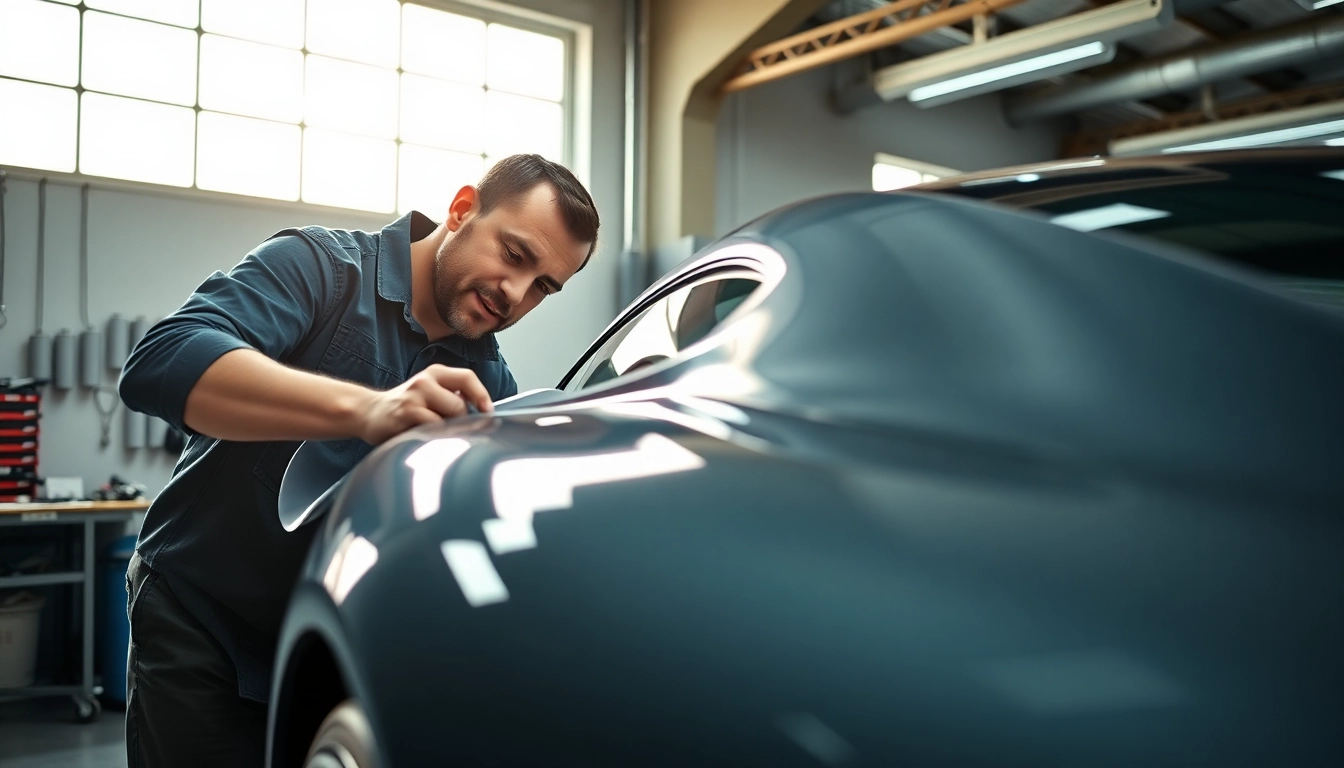
- Professional Installation: Provides a warranty and guarantees perfect application if done properly. Professionals have the right tools and experience to deal with challenging contours and edges.
The Application Process
Steps to Prepare Your Vehicle for Film Application
Proper preparation is key to a flawless paint protection film application:
- Wash and Dry: Thoroughly wash your vehicle to remove dirt, grease, and any surface contaminants. Make sure to dry it completely.
- Inspect the Paint: Check for any existing paint imperfections, such as scratches or chips, which should be repaired before applying the film.
- Set Up the Environment: Make sure you're in a dust-free environment with controlled temperatures for optimum adhesion.
Tips for Ensuring a Smooth Installation
For those choosing to install the film themselves, consider these tips:
- Use a Spray Solution: A mixture of soapy water can help reposition the film during application.
- Work Slowly: Take your time, especially around curves and edges to avoid mistakes.
- Utilize Heat: Use a heat gun to help the film conform to the curves of your vehicle.
Post-Installation Care for Your Paint Protection Film
After installation, proper care is essential to maximize the longevity of your paint protection film:
- Avoid washing: Refrain from washing the vehicle for at least a week to allow the film to properly set.
- Be cautious with wax: Avoid using wax on PPF for at least 30 days post-installation, as it can damage the film’s surface.
- Regular Cleaning: Clean the film with mild soapy water using a soft cloth to prevent dirt accumulation.
Performance and Longevity of Paint Protection Film Near Me
Understanding Durability and Warranty Options
The lifespan of paint protection film often varies depending on several factors, including quality and environmental elements. Most high-quality PPF can last anywhere from 5 to 10 years, with warranties typically reflecting this duration. Be sure to choose a product that offers a comprehensive warranty, as this is a good indicator of its longevity and the manufacturer's confidence in their film quality.
How Environment Affects Paint Protection Film Performance
The performance of PPF can significantly vary depending on environmental factors:
- Climate: Extreme temperatures, both hot and cold, can affect the film's adhesion and performance over time.
- Sun Exposure: Prolonged UV exposure may cause discoloration on lower-quality films; thus, opting for high-quality brands can help mitigate this issue.
- Pollution: Airborne contaminants and acid rain can degrade the film faster if not regularly cleaned.
Signs Your Paint Protection Film Needs Replacement
Knowing when to replace your paint protection film can save you from further damage:
- Yellowing: A cloudy look on the film may signal degradation due to UV exposure.
- Bubbles: Persistent bubbles or peeling edges indicate that it's time for a replacement.
- Cuts or Scratches: Visible damage that exceeds minor wear and tear can compromise the film's protective properties.
Frequently Asked Questions About Paint Protection Film
How Long Does Paint Protection Film Last?
High-quality paint protection films typically last between 5 to 10 years, depending on environmental conditions and maintenance.
Can Paint Protection Film Be Removed?
Yes, paint protection film can be safely removed without damaging the underlying paint, particularly if installed correctly.
Is Paint Protection Film Safe for All Vehicle Types?
Yes, paint protection film is compatible with all vehicle types and helps protect their paint from damage.
What Makes Paint Protection Film Worth the Investment?
PPF preserves your vehicle's finish, enhances resale value, and reduces costs associated with repainting or repair.
How Should I Clean Paint Protection Film?
Use mild soap and water with a soft cloth; avoid abrasive cleaners and wax to protect the film’s surface.