
Understanding Sports Broadcasting Fundamentals
Defining Sports Broadcasting
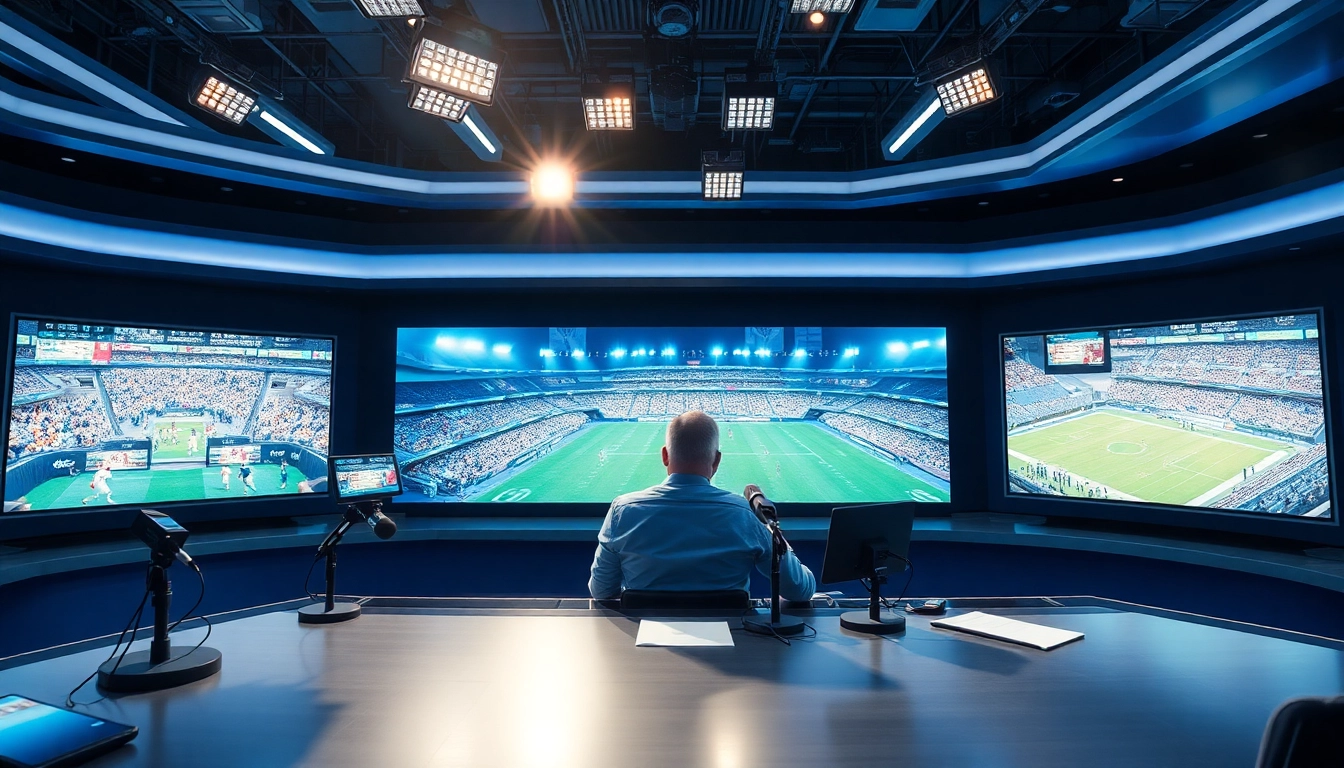
Sports broadcasting is a dynamic and essential part of the sports industry that involves the dissemination of sports-related content to various audiences through different media channels. As technology and consumer habits evolve, so too does the landscape of sports broadcasting. Major events, including football games, basketball tournaments, and even eSports, are broadcasted live, offering thrilling experiences to millions of viewers. In this constantly changing field, a core understanding of its fundamentals helps stakeholders make informed decisions and strategies. For a comprehensive guide on Sports Broadcasting, exploring its intricacies can uncover deeper insights into how the industry operates.
Historical Evolution of Sports Broadcasting
The journey of sports broadcasting began in the early 20th century when the first radio broadcasts of sports events were aired. These early broadcasts paved the way for the introduction of television, which revolutionized how audiences engaged with sports. Iconic moments like the 1936 Olympics showcased sports to wider audiences, creating a template for future broadcasts. With the advent of cable television in the 1980s, access to sports content expanded even further, leading to the rise of dedicated sports networks. Each technological advancement, from black-and-white broadcasts to HD and now digital streaming, has reshaped viewers' experiences and expectations.
Key Roles and Responsibilities in Sports Broadcasting
Sports broadcasting involves a diverse range of roles, each essential to the production and delivery of engaging content. Key personnel include:
- Producers: Manage the overall production, ensuring that all elements come together smoothly.
- Commentators: Provide live narration and analysis, enhancing viewer engagement with insightful observations.
- Cameramen and Technical Crew: Handle the equipment and ensure the broadcasting quality meets industry standards.
- Editors: Work post-event to cut and shape highlights for later broadcasts, capturing the essence of the event.
- Marketing and PR Specialists: Promote the broadcasts and engage with viewers, expanding audience reach.
The Technical Aspects of Sports Broadcasting
Equipment Required for Sports Broadcasting
Advanced technical equipment is vital for successful sports broadcasting. Essential tools include high-definition cameras, drones for aerial views, microphones for clear audio, and graphics software for enhancing visuals. Innovations like remote production enable smaller teams to manage live broadcasts, increasing efficiency while maintaining quality. Understanding the capabilities of different equipment and choosing the right tools for specific events are crucial for delivering top-tier broadcasts.
Understanding Broadcast Formats
Various formats are used in sports broadcasting, including traditional over-the-air broadcasts, cable, and increasingly popular online streaming platforms. Each format has unique attributes that cater to different audience preferences. Live broadcasts are the cornerstone of sports viewing, but on-demand services have gained traction, allowing viewers to watch whenever they choose. Understanding viewer habits helps producers optimize content delivery and cater to their audience’s preferences effectively.
Innovations in Broadcasting Technology
Technological innovations continually reshape sports broadcasting, bringing new ways to engage audiences. High-definition (HD) and ultra-high-definition (UHD) broadcasts provide stunning visuals, while 360-degree cameras and augmented reality (AR) enhance viewer interaction. The integration of artificial intelligence (AI) for analytics and production decisions streamlines processes and personalizes viewer experiences. Keeping abreast of technological advancements ensures that broadcasters remain competitive and can adapt to changing viewer expectations.
Engaging Your Audience in Sports Broadcasting
Crafting Compelling Storylines
Storytelling is a pivotal aspect of sports broadcasting that goes beyond merely presenting the game. Successful broadcasters create compelling narratives around teams, players, and events, providing context that enriches viewer engagement. By highlighting backstories, rivalries, and significant milestones, broadcasters can draw in audiences emotionally, making the experience more than just a game.
Utilizing Social Media for Engagement
Social media platforms have transformed how sports are consumed and discussed. Real-time updates, behind-the-scenes content, and fan interactions are integral to effective sports broadcasting strategies. Platforms like Twitter, Instagram, and Facebook extend the conversation beyond the broadcast itself, inviting audiences to engage and participate. Effective use of these platforms can elevate broadcasting success and foster community around the sport.
Incorporating Viewer Feedback
Gathering and responding to viewer feedback is crucial for evolving sports broadcasting. Utilizing surveys and social media interactions allows broadcasters to gauge audience preferences and satisfaction levels. Adaptation to viewer feedback can enhance content creation strategies, ensuring broadcasts resonate with viewers, improving overall experience and loyalty.
Challenges in Sports Broadcasting
Navigating Live Event Disruptions
Live sports events often come with unexpected disruptions, be it weather issues, technical malfunctions, or alterations in event schedules. A successful broadcaster must be adept at managing such challenges with composure. Developing contingency plans, rehearsing potential scenarios, and maintaining clear communication channels among team members can mitigate the impact of these disruptions.
Managing Viewer Expectations
Viewer expectations in sports broadcasting have evolved with advancements in technology. Audiences now expect high-quality visuals, detailed analytics, and interactive experiences. Broadcasters must continuously innovate to meet and exceed these expectations, investing in technology and talent that enhance the viewing experience and keep audiences engaged.
Addressing Ethical Concerns in Broadcasting
As a pillar of the sports industry, broadcasters face ethical dilemmas surrounding transparency, fairness, and representation. Upholding journalistic integrity, avoiding conflicts of interest, and providing balanced coverage are paramount to maintaining credibility. Engaging with community stakeholders and addressing concerns openly can help broadcasters navigate these challenges effectively.
Future Trends in Sports Broadcasting
Increased Use of VR and AR Technologies
Virtual reality (VR) and augmented reality (AR) technologies are set to revolutionize sports broadcasting by creating immersive experiences. These innovations allow fans to engage with content in unprecedented ways, such as experiencing games from the player’s perspective or enjoying interactive highlights. As these technologies become more mainstream, integrating them into broadcast strategies will be essential for attracting tech-savvy viewers.
Impact of Streaming Services on Sports Broadcasting
The rise of streaming services has significantly altered the sports broadcasting landscape. With many viewers shifting away from traditional cable subscriptions, these platforms offer flexible viewing options that cater to modern consumer habits. Sports networks must adapt their strategies to include digital offerings, ensuring they remain accessible to audiences who favor on-demand content over scheduled programming.
Changing Audience Demographics
As audience demographics shift, especially with younger generations showing distinct viewing habits, broadcasters must pay attention to these changes. Trends indicate a growing preference for mobile viewing and social media engagement, which necessitates the development of targeted marketing and content strategies. Understanding the values and interests of emerging audiences will be crucial for sustained success in sports broadcasting.
Frequently Asked Questions
What is sports broadcasting?
Sports broadcasting refers to the transmission of sports events and content through various media channels, including television, radio, and online platforms, to engage audiences.
How has technology changed sports broadcasting?
Technology has transformed sports broadcasting by introducing high-definition visuals, real-time analytics, social media integration, and immersive experiences through VR and AR.
What are the roles in sports broadcasting?
Key roles include producers, commentators, cameramen, editors, and marketing specialists, each contributing to the production and delivery of engaging sports content.
What challenges do sports broadcasters face?
Challenges include navigating live event disruptions, managing viewer expectations, and addressing ethical concerns related to transparency and representation.
What trends are emerging in sports broadcasting?
Emerging trends encompass the rise of streaming services, increased use of VR and AR, and the necessity to adapt to changing audience demographics and viewing habits.